
Balancing school schedules, extracurricular commitments, and everyday responsibilities is one of the most complex challenges modern families face. Parents often find themselves coordinating multiple calendars, transportation needs, financial decisions, and emotional support systems; all while maintaining a sense of routine and stability at home. When handled thoughtfully, these moving parts can work together rather than compete for time and attention.
Successful family management isn’t about doing everything perfectly. It’s about creating systems that reduce stress, improve communication, and help everyone know what to expect. From planning weekly schedules to anticipating seasonal changes, families benefit from proactive organization and realistic expectations. The strategies below focus on helping households manage academic responsibilities, personal development, and essential services in ways that are sustainable over time.

Building a Weekly Schedule That Balances School and Home Life
A predictable weekly structure gives families a foundation for managing competing responsibilities. Parents who invest time in building a shared schedule often experience fewer last-minute conflicts and less daily stress. The process starts by identifying fixed commitments, school hours, work shifts, and recurring appointments, before layering in flexible activities.
For families with children enrolled in a private school, scheduling can be especially demanding due to longer school days, enrichment requirements, or additional parent involvement. Setting aside time each week to review academic expectations, upcoming projects, and school communications helps prevent surprises. A shared digital calendar that includes reminders for deadlines, events, and early dismissals keeps everyone aligned.
Households benefit from establishing consistent routines around mornings, homework time, and evenings. When children know when study time begins and ends, they are more likely to stay focused. Parents can also use weekly planning sessions to identify lighter days that allow for rest or family time, which is just as important as productivity.
Coordinating After-School Activities Without Overloading the Family
Extracurricular activities play an important role in child development, but too many commitments can overwhelm both parents and children. Coordination starts with evaluating how each activity fits into the family’s overall schedule, energy levels, and priorities. It’s often helpful to limit activities per season rather than stacking multiple commitments year-round.
Participation in karate classes is one example of an activity that requires consistent attendance, practice time, and transportation planning. Parents can reduce stress by designating specific days for training and aligning meal planning around those evenings. Keeping equipment organized in one location also minimizes last-minute scrambles.
Families should regularly reassess activity schedules, especially as children grow older and academic demands increase. Open conversations about enjoyment, fatigue, and time pressure allow parents to adjust commitments without guilt. A balanced approach ensures activities remain beneficial rather than burdensome.
Planning Family Time Around Seasonal Commitments and Gatherings
Seasonal changes often bring additional obligations, from school functions to community celebrations. Planning allows families to enjoy these moments without sacrificing rest or routine. Reviewing seasonal calendars early helps parents anticipate busy periods and plan accordingly.
Attending outdoor events often requires extra preparation, including considering weather conditions, arranging transportation logistics, and being flexible with your schedule. Families can simplify planning by keeping a checklist of essentials such as seating, snacks, and appropriate clothing. Blocking recovery time after large events also helps maintain balance.
Parents who plan seasonal family traditions, such as monthly outings or quarterly trips, create touchpoints that strengthen relationships. These moments don’t need to be elaborate; consistency matters more than scale. Thoughtful planning ensures that seasonal commitments enhance family life rather than disrupt it.
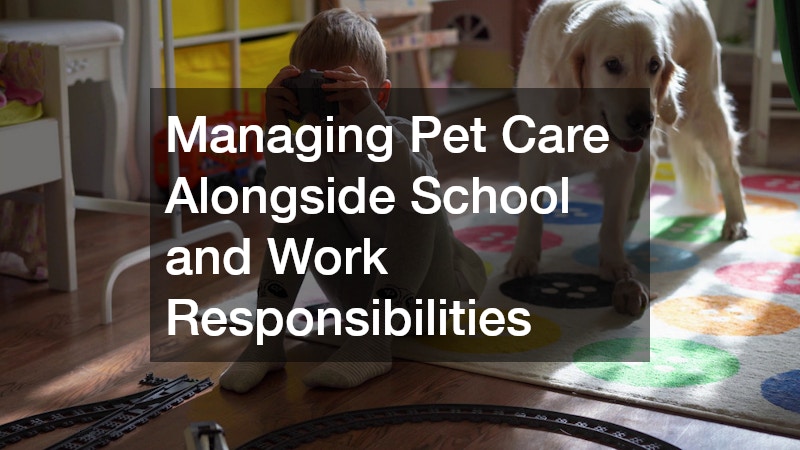
Managing Pet Care Alongside School and Work Responsibilities
Pets add joy to family life, but they also require reliable care that fits within busy schedules. Coordinating pet needs alongside school drop-offs, work hours, and activities requires clear planning and contingency options. Families benefit from treating pet care as a shared responsibility rather than an afterthought.
Using doggie day care can help households manage long school or work days while ensuring pets receive attention and exercise. Scheduling services in advance and aligning them with high-demand days prevents last-minute stress. Keeping vaccination records and service schedules organized simplifies communication with providers.
Children can be included in age-appropriate pet responsibilities, which helps distribute tasks and teach accountability. Clear routines for feeding, walks, and care reduce confusion and ensure pets receive consistent attention even during busy weeks.
Supporting Creative Development While Maintaining Academic Focus
Creative outlets contribute to emotional expression, confidence, and cognitive development. However, creative pursuits must be balanced with academic responsibilities to prevent burnout. Families who integrate creativity into structured schedules often see better long-term engagement.
Enrollment in a music program typically involves practice time, lessons, and performance preparation. Parents can support consistency by designating specific practice windows and creating a quiet, organized space at home. Aligning practice schedules with natural energy peaks, such as earlier evenings, can improve focus and enjoyment.
Open communication about expectations helps children manage both schoolwork and creative commitments. When academic pressures increase, temporary adjustments to practice schedules can maintain balance without abandoning progress. Flexibility allows creativity to remain a positive influence rather than a source of stress.
Handling Personal Care Appointments Efficiently as a Household
Personal care is often overlooked in family planning, yet it plays a key role in confidence and maintaining daily routines. Coordinating appointments for multiple family members requires careful organization and foresight. Grouping appointments on the same day whenever possible can reduce transportation time, scheduling conflicts, and stress for parents and children alike.
Regular visits to a barber shop can be streamlined by setting recurring appointments and choosing consistent time slots. Parents who plan appointments around school breaks, early dismissal days, or lighter activity periods often avoid disrupting academic schedules or extracurricular commitments. Keeping notes on preferred styles, services, or provider preferences saves time and ensures consistency during future visits.
Teaching older children to manage their own appointment reminders fosters independence and responsibility. Shared calendars, reminder alerts, and gentle prompts help ensure personal care remains a consistent part of family routines rather than a last-minute obligation. Involving children in planning their own appointments also encourages accountability, builds time-management skills, and reduces parental workload, making personal care a smooth, predictable part of household management.

Incorporating Community and Spiritual Commitments Into Busy Weeks
Community involvement provides emotional support and shared values, but it must be thoughtfully integrated into family schedules to remain meaningful rather than stressful. Regular commitments require planning to ensure they complement school, work, and personal responsibilities, rather than competing with them. When families intentionally prioritize these activities, they are more likely to remain consistent and engaged without feeling rushed or conflicted.
Attendance at church services often anchors a family’s weekly rhythm and provides a sense of structure. Preparing the night before, such as choosing clothes, reviewing schedules, and planning meals, significantly reduces morning stress. Some families also benefit from establishing calming routines after services, including shared meals or quiet reflection time, which helps preserve balance for the rest of the day.
Participation in related community activities should be evaluated periodically as schedules change. Choosing a manageable level of involvement allows families to remain connected while protecting personal time. Setting clear boundaries supports long-term consistency and ensures participation remains fulfilling rather than overwhelming.
Maintaining Home Facilities Without Disrupting Daily Routines
Home maintenance tasks can easily become stressful if handled reactively, especially when unexpected issues interrupt already busy schedules. Families who plan maintenance proactively are better able to reduce disruptions to school, work, and extracurricular commitments. Creating a seasonal maintenance calendar allows households to anticipate routine needs such as inspections, cleanings, or minor repairs before they become urgent. Spreading tasks throughout the year also prevents multiple responsibilities from piling up at once, making upkeep feel more manageable and less overwhelming.
Coordination with a pool company often involves scheduling cleanings, inspections, or repairs that must be completed regularly to maintain safety and functionality. Planning these services during less busy periods, such as midweek mornings, helps minimize interruptions to daily routines. Parents can align service appointments with school hours so maintenance occurs when children are out of the house. Keeping maintenance records, service dates, and warranties organized, either digitally or in a dedicated folder, simplifies communication and supports long-term planning.
Involving older children in basic upkeep fosters responsibility and practical awareness. Simple tasks like checking supplies, tidying shared areas, or learning basic maintenance concepts help them understand the effort required to keep a household running smoothly. Clear expectations, shared responsibilities, and consistent routines turn home maintenance into a predictable part of family life rather than a recurring inconvenience that causes stress.
Preparing for Schedule Changes Caused by Environmental Factors
Environmental conditions can significantly affect family schedules, particularly during certain seasons when weather patterns are less predictable. Snowstorms, heat waves, heavy rain, or poor air quality can all disrupt school attendance, extracurricular activities, and commuting plans. Planning helps households adapt quickly when conditions change instead of reacting under pressure. Families who anticipate disruptions are better positioned to keep routines intact while prioritizing safety. Monitoring reliable information sources allows parents to make informed decisions without relying on last-minute announcements or speculation.
Using weather forecasting services enables parents to anticipate school delays, activity cancellations, or travel disruptions before they occur. Checking forecasts the night before and again in the morning can help families adjust wake-up times, transportation plans, and childcare arrangements. Families can create contingency plans for remote learning days, such as identifying quiet workspaces and confirming technology readiness. Indoor alternatives for cancelled practices or events can also be planned to keep children active and engaged. Keeping emergency supplies, backup meals, and flexible schedules reduces anxiety during unpredictable periods.
Teaching children how to adjust expectations during disruptions builds resilience and emotional flexibility. Open discussions about why plans change, how safety decisions are made, and what alternatives are available help children feel included rather than frustrated. When families model calm problem-solving, schedule changes become manageable adjustments rather than sources of stress.

Staying Proactive With Health-Related Appointments and Screenings
Preventive health care is essential for long-term well-being, yet it often competes with daily responsibilities such as school schedules, extracurricular activities, and work obligations. Families who plan health appointments well in advance are better equipped to avoid conflicts and reduce last-minute stress. Setting annual reminders and aligning appointments with academic calendars can help parents stay ahead of important screenings. Centralized record-keeping, whether digital or physical, simplifies coordination by keeping medical histories, insurance information, and provider details in one accessible place.
Scheduling an eye exam during school breaks or low-activity periods minimizes disruptions to learning and after-school commitments. Parents can ease apprehension by explaining what the appointment will involve, discussing why vision health matters, and answering questions beforehand. Preparation helps children feel more comfortable and cooperative during visits. Keeping prescription updates, provider recommendations, and follow-up reminders organized ensures continuity of care and reduces the risk of missed appointments or outdated treatments.
Encouraging older children to participate in appointment planning fosters independence and personal responsibility. Allowing them to help choose appointment times, track reminders, or understand basic health information builds lifelong habits. Preventive care becomes more effective when it is woven into regular family routines rather than treated as an occasional obligation. Over time, proactive planning supports healthier outcomes while reinforcing the importance of self-care within a busy household.
Managing school, activities, and essential services requires more than good intentions—it depends on systems that evolve with a family’s changing needs. As children grow older, schedules become more complex, expectations shift, and new responsibilities emerge. Consistent communication helps ensure everyone understands priorities, while realistic scheduling prevents burnout and unnecessary pressure. Proactive planning, such as reviewing calendars in advance and anticipating high-demand weeks, allows families to address challenges before they become overwhelming. When responsibilities are approached thoughtfully, routines become less rigid and more supportive, helping family members feel grounded rather than rushed. Over time, these systems encourage accountability, cooperation, and mutual respect within the household.
No single strategy works for every household, but flexibility and awareness remain universal tools. Regularly reviewing commitments allows families to identify what is working well and what may need adjustment. Seasonal changes, academic demands, and personal energy levels all influence how schedules should be structured. Making small, intentional adjustments can prevent long-term stress and preserve quality time together. With the right structure in place, everyday responsibilities become more manageable and predictable. This sense of stability gives families the freedom to focus on meaningful experiences, nurture relationships, and respond calmly when unexpected challenges arise.