
For many families, home maintenance lives in the same mental space as everything else—school schedules, work deadlines, grocery runs, and the never-ending pile of laundry. It’s not that upkeep isn’t important; it’s that it rarely feels urgent until something breaks. By then, it becomes another stressor layered on an already full plate.
The key shift isn’t about doing more. It’s about doing things differently—building systems that quietly support your home in the background so it doesn’t demand your attention all at once. When maintenance becomes part of your rhythm instead of a disruption, everything feels more manageable.
Think about the difference between a chaotic Saturday spent catching up on everything versus a week where small tasks are handled in the background. One feels draining, the other feels sustainable. That’s the goal—to move from reactive bursts of effort to steady, manageable upkeep that blends into daily life.
Building a Weekly Routine That Actually Works

Most overwhelmed families don’t need more tasks—they need better timing. Instead of saving everything for the weekend, spreading small maintenance tasks throughout the week can dramatically reduce stress.
Think of your home like something that benefits from light, consistent attention rather than occasional deep overhauls. A few minutes a day adds up quickly, and more importantly, it keeps problems from piling up.
A simple weekly rhythm might look like this:
- Monday: quick outdoor check (watering, clearing debris)
- Wednesday: inspect bathrooms and kitchen for minor issues
- Friday: tidy up shared spaces and prep for weekend use
- Sunday: reset and plan for the week ahead
This approach becomes even more effective when you offload certain responsibilities. For example, working with a lawn care company can eliminate hours of yard work every month. Instead of squeezing mowing into an already packed weekend, you reclaim that time for family or rest.
Similarly, staying ahead of small irrigation issues can prevent major disruptions. Addressing sprinkler repairs early—before uneven watering damages your yard or creates muddy patches—keeps your outdoor spaces functional without requiring emergency fixes later.
One helpful tip is to “anchor” maintenance tasks to habits you already have. For instance, check under sinks while brushing your teeth at night, or do a quick outdoor scan when taking out the trash. These small pairings make routines easier to remember and stick with.
Over time, this kind of routine becomes second nature. You stop thinking of maintenance as a separate chore and start seeing it as part of how your household flows.
Stopping Problems Before They Start
There’s a particular kind of stress that comes from unexpected home issues—the kind that interrupts your day and demands immediate attention. Preventive care is the antidote to that chaos.
Rather than reacting to problems, you can build a simple habit of checking key areas of your home every few months. It doesn’t need to be complicated or time-consuming. Even a quick walkthrough can reveal early warning signs.
Pay attention to things like:
- Water stains or discoloration on ceilings
- Loose or sagging gutters
- Drafts near windows or doors
- Small cracks or shifting in exterior surfaces
These small signals often point to larger issues developing behind the scenes. For instance, catching early signs that you may need roofing services can save you from dealing with leaks during a storm. Likewise, addressing aging or damaged gutters through timely gutter replacement helps prevent water from pooling around your foundation or flooding your landscaping.
Another useful approach is to keep a simple running note on your phone. If you notice something slightly off—a noise, a drip, a crack—you jot it down. Then once a month, review the list and decide what needs attention. This keeps small concerns from being forgotten until they become major repairs.
The real benefit here isn’t just financial—it’s mental. When you know your home is in good shape, you’re not constantly waiting for the next thing to go wrong.
Designing Outdoor Spaces That Work for You
Outdoor areas can either be a source of joy or a constant maintenance burden. The difference often comes down to design choices.
For busy families, low-maintenance setups are essential. Instead of choosing features that require frequent upkeep, focus on elements that simplify your routine while still enhancing your space.
A retractable awning, for example, offers flexible shade without the permanence or upkeep of larger structures. It protects outdoor furniture, reduces sun exposure, and creates a comfortable area for kids to play or for family meals—all without adding extra work to your schedule.
Storage is another game-changer. A well-organized shed can transform how you manage tools, seasonal items, and outdoor equipment. When everything has a place, you spend less time searching and more time actually getting things done.
You can take this a step further by choosing landscaping that naturally requires less attention—native plants, mulch beds instead of high-maintenance grass areas, or simple hardscaping. These choices reduce watering, trimming, and seasonal upkeep.
The goal isn’t to eliminate outdoor maintenance entirely. It’s to create a space that supports your lifestyle instead of competing with it.
Grouping Tasks to Save Time and Energy

One of the biggest time drains in home maintenance is context switching—jumping from one unrelated task to another. Each time you shift focus, you lose momentum.
Batching tasks solves this problem by grouping similar activities together. Instead of handling things piecemeal, you dedicate a block of time to a specific category of work.
For example, you might set aside one weekend for exterior updates. During that time, you inspect surfaces, check for wear, and make any necessary calls for repairs or upgrades.
Coordinating visits from driveway paving contractors and siding contractors during the same general timeframe reduces disruption. You’re not constantly rearranging your schedule or dealing with multiple separate appointments.
Another benefit is efficiency. When tools are already out, and your mindset is focused on a specific type of work, you can move faster and accomplish more in less time.
This approach also helps mentally. When you know you’ve addressed an entire category of maintenance, you can move on without lingering worry.
Letting the Seasons Guide Your Schedule
Trying to remember everything your home needs throughout the year can feel overwhelming. That’s where seasonal systems come in—they give structure to your maintenance without requiring constant decision-making.
Each season naturally brings its own set of priorities. Instead of juggling everything at once, you can align tasks with the time of year they make the most sense.
In the spring, you might focus on cleaning, inspections, and preparing your home for increased use. This is also the ideal time to schedule air conditioning repair if your system isn’t running efficiently. Handling it early avoids the peak-season rush when technicians are booked out, and temperatures are rising.
During quieter months, you can shift your attention indoors. Planning projects like flooring installation in the fall or winter allows you to tackle upgrades without interfering with outdoor activities or family schedules.
It can help to create a simple seasonal checklist that you revisit each year. Over time, you’ll refine it based on your home’s needs and your family’s routine, making the process even smoother.
The beauty of a seasonal system is that it repeats. Once you’ve established it, you don’t have to start from scratch each year—you simply follow the rhythm.
Using Tools and Automation to Lighten the Load
Modern tools can take a surprising amount of pressure off your shoulders—if you use them intentionally.
Simple digital solutions can help you:
- Track recurring maintenance tasks
- Set reminders for inspections or service appointments
- Share responsibilities with other family members
For instance, a shared calendar can include reminders for everything from filter changes to annual inspections. Once these tasks are scheduled, they stop occupying mental space.
Automation also helps reduce decision fatigue. Instead of constantly asking, “What needs to be done next?” you can rely on systems to guide you.
You might also consider setting up auto-deliveries for common household items like filters, batteries, or cleaning supplies. This ensures you always have what you need on hand without making extra trips to the store.
Even small upgrades—like programmable thermostats or smart irrigation systems—can prevent issues before they start, saving both time and effort.
Handling Small Tasks Before They Grow
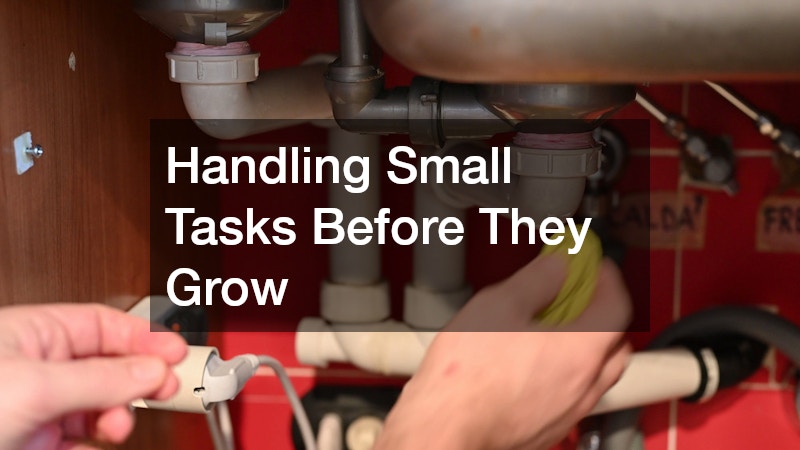
It’s easy to ignore minor issues when you’re busy. A loose handle, a small leak, or a flickering light doesn’t seem urgent in the moment. But over time, these small problems accumulate and turn into bigger, more time-consuming repairs.
The “one-touch” rule is a simple way to stay ahead of this. If something takes less than five minutes to fix, do it right away.
This might include:
- Tightening a screw
- Replacing a lightbulb
- Cleaning a clogged drain
- Sealing a small gap
You can also create a small “fix-it kit” with basic tools and supplies, so you’re not searching for what you need when something comes up. Having everything in one place removes friction and makes it more likely you’ll handle tasks immediately.
The cumulative effect is powerful. By addressing issues immediately, you prevent them from becoming part of a larger, overwhelming to-do list.
It also creates a sense of control. Instead of feeling like your home is slowly falling behind, you’re actively keeping it in check.
Creating a Go-To Network You Can Trust
When something does go wrong—and eventually, something will—having a reliable network of professionals makes all the difference.
Instead of scrambling to find help in the middle of a problem, you can build relationships in advance. This might include a general handyman, a trusted plumber, or specialists who understand your home’s specific needs.
Keeping a simple contact list, either on your phone or posted somewhere accessible, saves valuable time in urgent situations. You’re not reading reviews or comparing options under pressure—you already know who to call.
You can also ask neighbors or local groups for recommendations to build a list of trusted contacts more quickly. Over time, these connections become a dependable support system rather than a last resort.
Regular check-ins or scheduled inspections can also help maintain these relationships, turning them into a reliable part of your home maintenance strategy.
Reducing Clutter to Reduce Maintenance
Clutter doesn’t just affect how your home looks—it directly impacts how much time you spend maintaining it.
The more items you have, the more there is to clean, organize, and repair. By simplifying your environment, you naturally reduce your workload.
Start with high-traffic areas like entryways, kitchens, and living rooms. Focus on creating systems that are easy to maintain rather than perfect to look at.
Create designated spaces for commonly used items and remove anything that doesn’t serve a clear purpose. Storage solutions don’t have to be elaborate—what matters is consistency.
You might also adopt a “one in, one out” rule for certain categories of items. This keeps clutter from creeping back in over time and helps maintain the systems you’ve created.
Involving the whole family in this process is key. When everyone understands where things belong and why it matters, maintaining order becomes a shared responsibility rather than a solo effort.
Setting Boundaries to Protect Your Time

Perhaps the most overlooked aspect of home maintenance is knowing when to stop.
There will always be something else you could fix, clean, or improve. But trying to do everything perfectly can quickly lead to burnout.
Setting boundaries means deciding in advance how much time you’re willing to spend on maintenance each week and sticking to it. It also means recognizing when it’s more valuable to outsource a task than to take it on yourself.
You might choose to dedicate a set number of hours each week to upkeep and let everything else wait until the next cycle. This prevents maintenance from taking over your entire schedule.
It also helps to reframe your expectations. A well-maintained home doesn’t need to be flawless—it needs to be functional, safe, and comfortable for your family.
By defining these limits, you create room for what matters most—time with your family, moments of rest, and the ability to enjoy your home instead of constantly working on it.
Creating a Home That Supports Your Life
At its core, home maintenance isn’t about keeping everything perfect. It’s about creating an environment that supports your family’s daily life without adding unnecessary stress.
When you shift from reactive to proactive, from scattered tasks to intentional systems, everything changes. Your home becomes easier to manage, your time feels more protected, and the constant sense of being behind begins to fade.
Start small. Choose one system to implement, one habit to build, one task to simplify. Over time, those small changes compound into something much bigger—a home that works with you, not against you.
And perhaps most importantly, you begin to reclaim your time—not just for maintenance, but for the moments that truly matter.