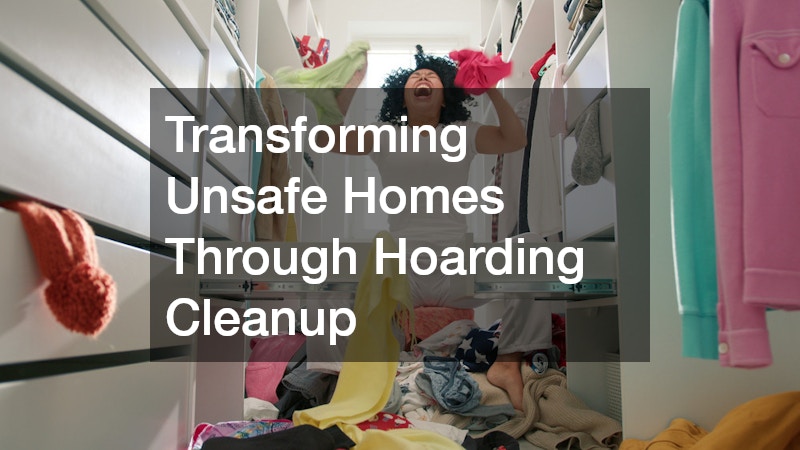
Here we’ll explore the key aspects of hoarding cleanup, including effective decluttering strategies, safe storage practices, recycling and disposal options, and the importance of emotional support throughout the recovery process. With the right approach and resources, individuals and families can successfully restore unsafe homes into healthier, cleaner, and more functional spaces.
Better Understanding the Hoarding Disorder

Hoarding disorder is a mental health condition characterized by the persistent difficulty in discarding possessions, regardless of their actual value. Individuals living with hoarding disorder often accumulate excessive amounts of items over time, leading to overcrowded living spaces and unsafe conditions within the home. Hallways, kitchens, bathrooms, and even sleeping areas may become inaccessible due to stacked belongings, increasing the risk of falls, fire hazards, mold growth, and sanitation issues. Understanding the psychological aspects of hoarding is essential for addressing the underlying causes and creating long-term solutions that go beyond simple cleaning.
Many people who struggle with hoarding develop deep emotional attachments to their possessions. Items may represent memories, feelings of security, or fears of future scarcity, making it extremely distressing to part with them. In some cases, individuals may feel guilt or anxiety at the thought of throwing items away, even when those possessions no longer serve a practical purpose. This emotional connection highlights the importance of approaching hoarding cleanup with patience, empathy, and compassion rather than judgment or force. A supportive environment can help reduce resistance and encourage healthier decision-making during the decluttering process.
Hoarding disorder can also impact relationships, physical health, and overall quality of life. Family members may struggle to understand the behavior, leading to tension and frustration within the household. At the same time, cluttered environments can contribute to respiratory problems, pest infestations, and social isolation. Because hoarding often stems from deeper emotional or psychological challenges, professional counseling or therapy can play a significant role in recovery. Cognitive behavioral therapy and ongoing emotional support can help individuals identify unhealthy patterns, manage anxiety, and build healthier organizational habits over time.
For those working through a hoarding disorder, breaking the cleanup process into smaller, manageable tasks is essential for reducing feelings of overwhelm. Attempting to clean an entire home at once can feel emotionally exhausting and discourage progress. Instead, focusing on one room, one corner, or even one category of items at a time can create a sense of accomplishment and momentum. Establishing realistic goals and celebrating small victories can help individuals stay motivated throughout the process. With consistent effort, emotional support, and practical strategies, it is possible to transform a cluttered home into a safer and more functional living environment.
Effective Strategies for Hoarding Cleanup

One of the most effective strategies for hoarding cleanup is enlisting the help of an estate cleanout service. These professionals specialize in sorting, organizing, removing, and disposing of large volumes of belongings while remaining sensitive to the emotional challenges involved. Estate cleanout services can help identify valuable or sentimental items that should be preserved, donated, recycled, or discarded responsibly. Their experience allows them to work efficiently while minimizing stress for homeowners and family members involved in the process.
Utilizing junk haulers can also greatly expedite the cleanup process by removing unwanted items quickly and safely. Hoarded homes often contain bulky furniture, broken appliances, old newspapers, damaged electronics, and other items that can be difficult to dispose of independently. Junk hauling companies have the manpower, vehicles, and equipment necessary to clear clutter efficiently, reducing the physical burden on individuals and families. Their services can dramatically improve the appearance and functionality of a living space in a short period of time.
Another practical tool for large-scale cleanup projects is the rental of a roll-off dumpster. Roll-off dumpsters provide a centralized and convenient location for waste disposal, eliminating the need for multiple trips to landfills or disposal sites. They are especially useful for extensive cleanouts where large amounts of trash and debris need to be removed quickly. Having a dumpster rental readily available can help maintain organization during the cleanup process and encourage steady progress without interruptions.
Creating a structured cleanup plan is another important strategy for long-term success. Setting clear priorities, timelines, and goals helps prevent the process from becoming overwhelming. Many individuals find it helpful to sort items into categories such as “keep,” “donate,” “recycle,” and “discard” to simplify decision-making. Taking breaks throughout the cleanup can also reduce emotional fatigue and improve focus. In severe cases, involving professional organizers, therapists, or support groups can provide additional guidance and accountability during the process.
Safely Organizing and Storing Items
After the decluttering process is complete, creating efficient organizational systems within the home becomes essential for maintaining long-term cleanliness and preventing future hoarding behaviors. Without proper organization, clutter can gradually begin to accumulate again, undoing much of the progress achieved during cleanup. Implementing a custom home storage system can help maximize available space while ensuring that belongings remain accessible and neatly arranged. Shelving units, labeled containers, cabinets, and multifunctional furniture can all contribute to a more organized and functional living environment.
Custom storage systems are especially beneficial because they can be tailored to the specific needs and lifestyle of the homeowner. For example, individuals who enjoy hobbies or collecting certain items may benefit from designated display areas or clearly organized storage bins. Creating intentional spaces for belongings reduces the temptation to stack items randomly throughout the home. Additionally, labeling storage areas can simplify organization and make it easier to maintain order on a daily basis.
Portable storage solutions can also provide flexibility for managing seasonal decorations, keepsakes, clothing, or items not regularly used. Portable storage bins and containers help prevent unnecessary clutter from accumulating in frequently used spaces while still allowing homeowners to keep important possessions nearby. These solutions are particularly useful during the cleanup process itself, as they create temporary organization while larger decisions are being made. By keeping items neatly stored and categorized, individuals can reduce visual clutter and create a calmer living environment.
Developing consistent organizational habits is key to maintaining a clutter-free home over time. Simple daily routines such as putting items away immediately after use, donating unused belongings regularly, and limiting unnecessary purchases can significantly reduce clutter accumulation. Periodic home assessments can also help identify problem areas before they become overwhelming. With proper storage systems, mindful habits, and ongoing maintenance, individuals can create safer, more organized living spaces that support long-term well-being.
Professional Support During Hoarding Cleanup

While some individuals attempt to manage hoarding cleanup on their own, professional assistance can make the process significantly safer, faster, and less emotionally overwhelming. Hoarded homes often contain hidden dangers such as mold growth, pest infestations, biohazard waste, structural damage, or blocked exits that require specialized handling. Professional cleanup teams are trained to identify these hazards and follow proper safety protocols throughout the cleaning process. Their expertise helps minimize health risks while ensuring the home is restored in a thorough and organized manner.
Professional cleanup specialists also provide structure and guidance during what can otherwise feel like an emotionally exhausting process. Many individuals struggling with hoarding become overwhelmed by the sheer volume of possessions and uncertainty about where to begin. Cleanup professionals can break the process into manageable steps, helping homeowners make decisions without becoming paralyzed by stress or anxiety. Their experience working in sensitive situations allows them to maintain a respectful and compassionate approach throughout the cleanup effort.
Mental health professionals play an equally important role in successful hoarding recovery. Hoarding disorder is often linked to conditions such as anxiety, depression, trauma, or obsessive-compulsive tendencies, making emotional support a critical component of the cleanup process. Therapists and counselors can help individuals address the root causes of hoarding behaviors while teaching healthier coping strategies and organizational habits. Therapy can also reduce the emotional distress associated with discarding possessions, making long-term progress more sustainable.
Combining professional cleanup services with emotional and psychological support creates a more comprehensive and sustainable path toward recovery. Rather than focusing solely on removing clutter, this holistic approach addresses both the physical and emotional challenges associated with hoarding. With proper guidance, ongoing support, and consistent maintenance strategies, individuals can successfully transform unsafe living environments into healthier, safer, and more functional homes.
Easy Recycling and Disposal Solutions
Recycling is a crucial aspect of responsible decluttering and trash management. Collaborating with metal recyclers can ensure that metal items are disposed of sustainably, helping reduce environmental impact. Metal recyclers collect and process scrap metal, turning it into reusable material that can be repurposed for future manufacturing. Recycling metal not only keeps unnecessary waste out of landfills but also supports environmentally friendly cleanup practices during the hoarding removal process.
For vehicles or larger items, considering offers of cash for cars can be an effective disposal method. This not only provides a financial benefit but also helps remove unwanted vehicles that contribute to clutter and take up valuable space on the property. Cash for cars services will typically handle the removal and recycling on your behalf, simplifying the process for homeowners. In many cases, these services can quickly tow away non-functioning or abandoned vehicles, helping improve the overall appearance and safety of the property.
Regular trash removal services should be part of a long-term maintenance plan to prevent future hoarding issues. Scheduled trash pickups help maintain cleanliness and organization, promoting a healthier living environment for everyone in the household. Consistent trash removal can deter clutter accumulation and ensure a tidy home by preventing waste from piling up over time. Establishing dependable disposal routines also encourages healthier organizational habits and supports ongoing home maintenance efforts.
Long-lasting Clutter-Free Environments
A major component of maintaining a clutter-free home is establishing and adhering to a routine organizational schedule. Regular assessments of household items can prevent the gradual build-up of clutter over time and make it easier to identify problem areas before they become overwhelming. When it is truly necessary to hold onto items, services like storage facilities can be utilized to keep a clean home. Maintaining this routine promotes an ongoing balance of order and cleanliness in the living space while creating a more comfortable and functional environment for daily life.
Developing a habit of mindful consumption is essential for preventing future hoarding tendencies. By being intentional and selective about new acquisitions, individuals can keep their homes less cluttered and easier to manage. Minimizing impulsive purchases and evaluating the necessity of items helps maintain a streamlined and orderly environment. Creating shopping lists, setting organizational goals, and regularly donating unused belongings can also reinforce healthier habits and reduce unnecessary accumulation.
Lastly, creating a strong support system is crucial for those prone to hoarding. Family members, friends, and mental health professionals can provide necessary support and encouragement in maintaining a clutter-free lifestyle. This network of support fosters accountability and sustained motivation in the journey toward a healthier living space. Ongoing communication and encouragement from trusted individuals can make it easier to maintain positive habits and prevent setbacks over time.
Transforming a hoarded home into a safe and functional living space requires patience, compassion, and a well-structured approach. Because hoarding disorder is deeply connected to emotional and psychological challenges, successful cleanup efforts involve more than simply removing clutter. Understanding the underlying causes of hoarding, implementing practical organizational systems, and utilizing professional support services can help individuals make meaningful and lasting changes within their homes and daily lives.
From estate cleanout services and junk removal to recycling solutions and long-term organizational habits, every step of the cleanup process contributes to creating a healthier and safer environment. Establishing routines, practicing mindful consumption, and building strong support systems are equally important for preventing future clutter accumulation and maintaining progress over time.
Although the process can feel overwhelming at first, lasting improvement is possible with consistent effort and the right resources. By combining emotional support with practical cleanup strategies, individuals and families can reclaim their living spaces, improve their quality of life, and create homes that feel comfortable, organized, and secure for years to come.